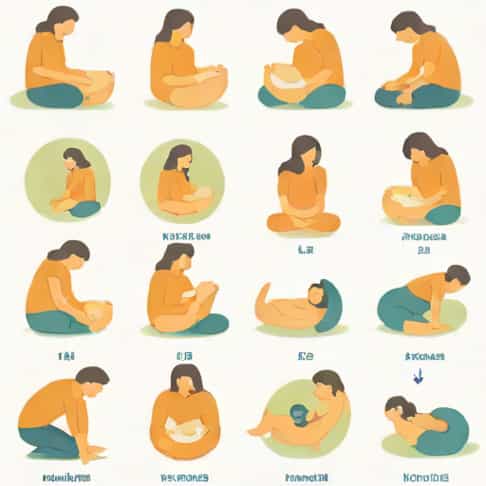
Preparing for natural childbirth often involves more than reading guides or attending prenatal classes. Many expecting parents find that incorporating specific exercises into their routine helps the body adapt to the physical demands of labor. Gentle movement, strengthening work, and mindful breathing can increase comfort, confidence, and endurance as the due date approaches. By understanding which movements support flexibility, stability, and relaxation, anyone can build a balanced routine that supports natural birth. The key is consistency, awareness, and listening to the body throughout pregnancy.
The Role of Exercise in Natural Childbirth Preparation
Exercises to prepare for natural childbirth are not about pushing limits but about encouraging your body to work efficiently. Pregnancy brings significant physical changes, and maintaining mobility plays an important role in supporting pelvic function, reducing pain, and improving stamina. Most routines focus on the core, pelvic floor, and hip flexibility to make labor positions easier and more comfortable.
Benefits of Prenatal Exercise for Labor
When done safely, prenatal exercise offers a range of benefits that support the natural childbirth process. Some of the most notable include
- Improved circulation and reduced swelling
- Better posture and decreased lower back pain
- Enhanced pelvic stability to support labor positions
- Increased confidence and awareness of the body
- More efficient breathing and relaxation strategies
These advantages often work together, making the experience of natural childbirth more manageable for many people.
Foundational Movements for Labor Preparation
Certain exercises form the foundation of most natural childbirth routines. These movements improve alignment, relieve tension, and build functional strength. They are typically simple yet effective, making them accessible even to beginners.
1. Pelvic Tilts
Pelvic tilts help release lower back tension and strengthen deep core muscles. They also improve body awareness, helping pregnant individuals identify how to shift their pelvis comfortably during labor.
To do this movement, stand against a wall or get on hands and knees. Gently tuck and untuck the pelvis, focusing on slow, controlled movement. This exercise can be performed daily, especially during late pregnancy.
2. Cat-Cow Stretch
This familiar yoga movement helps maintain spinal mobility and reduces back discomfort. It also positions the baby favorably by encouraging optimal alignment.
On hands and knees, alternate between arching and rounding the spine. The rhythmic breathing associated with cat-cow can also support relaxation during contractions.
3. Supported Squats
Squatting is one of the most natural labor positions, making it a valuable exercise throughout pregnancy. Supported squats strengthen the legs, open the hips, and provide practice for bearing down during birth.
Use a wall, chair, or partner for support. Only lower as far as comfortable, and maintain steady breathing. Practicing this consistently can build both strength and confidence.
Targeted Exercises for Pelvic Strength and Flexibility
Preparing for natural childbirth involves balancing strength with flexibility. The pelvic region in particular benefits from focused exercises that support the muscles used during labor.
4. Kegel Exercises (Moderation Is Key)
Kegels help strengthen the pelvic floor, which supports the uterus, bladder, and bowels. While too many may create tension, gentle, moderate practice builds control that can be helpful during labor and postpartum recovery.
To perform Kegels, contract the pelvic floor muscles for a few seconds before releasing. Aim for slow, controlled repetitions rather than rapid pulses.
5. Hip Circles on a Birth Ball
A birth ball is a popular tool for labor preparation. Hip circles encourage mobility, improve blood flow, and help the baby settle into a good position. They also reduce pressure on the spine.
Sitting on the ball with feet flat, rotate the hips slowly in both directions. This can be done daily and even during early labor.
6. Butterfly Stretch
The butterfly stretch gently opens the hips and increases flexibility in the inner thighs. Flexibility in these areas can support comfortable pushing positions.
Sit with the soles of the feet together and knees open. Keep the back tall and avoid forcing the knees down. Hold the stretch for several breaths, allowing the body to relax.
Breathing and Mindfulness Techniques
Exercises to prepare for natural childbirth are not limited to physical movements. Mind-body work is equally important, helping individuals stay calm, focused, and in tune with their changing bodies.
7. Diaphragmatic Breathing
Learning how to breathe deeply and efficiently is one of the most valuable skills for labor. Diaphragmatic breathing helps reduce stress, increase oxygen flow, and maintain a sense of control during contractions.
To practice, place your hands on your belly and inhale deeply, allowing the abdomen to rise. Exhale slowly through the mouth. This technique can be used throughout pregnancy as well as during labor.
8. Guided Relaxation
Relaxation practice trains the body to release tension, which can make contractions more manageable. Guided audio, gentle music, or silent meditation can help create a calm atmosphere.
Spend a few minutes daily focusing on relaxing the jaw, shoulders, hips, and pelvic floor-areas where tension commonly collects during labor.
Functional Movements for Labor Positions
Practicing labor positions ahead of time can help the body become familiar with movements that may be used during birth. These exercises mimic natural positions and provide comfort strategies for managing contractions.
9. Hands-and-Knees Position
This position takes pressure off the back, encourages the baby to move into an optimal position, and can help during back labor. Practicing this posture supports endurance and comfort.
10. Side-Lying Practice
Side-lying is a gentle position that can be used for rest during labor. It’s helpful for maintaining steady breathing and conserving energy. Practicing this position helps individuals understand the support they may need from pillows or partners during birth.
11. Forward-Leaning Inversions
When done correctly and safely, forward-leaning inversions can help create space in the lower uterus. This may encourage better fetal positioning. These should be practiced slowly and with support.
Building a Safe Exercise Routine
When choosing exercises to prepare for natural childbirth, it’s important to prioritize safety and comfort. Pregnancy affects every body differently, and what feels good in one trimester may not in another.
Guidelines for Safe Prenatal Exercise
- Work at a comfortable intensity
- Avoid exercises that cause dizziness or pain
- Stay hydrated and avoid overheating
- Stop immediately if experiencing unusual discomfort
- Consult a healthcare provider for personalized guidance
A balanced routine can be performed several times per week. Even short daily sessions offer meaningful benefits.
Creating a Consistent Practice
Preparing for childbirth is as much about consistency as it is about technique. Small, regular practice helps build strength and confidence. Many expectant parents find that setting aside a specific time each day makes it easier to maintain their routine.
The Importance of Listening to the Body
Pregnancy is a dynamic experience, and the body’s needs change from week to week. Some days may call for gentle stretching, while others may welcome more active movement. The key is to approach exercise with patience and flexibility.
With the right mix of strengthening, stretching, and breathing work, exercises to prepare for natural childbirth can support both the physical and emotional aspects of labor. By building awareness, confidence, and resilience, these movements help create a foundation for a positive and empowered birth experience.