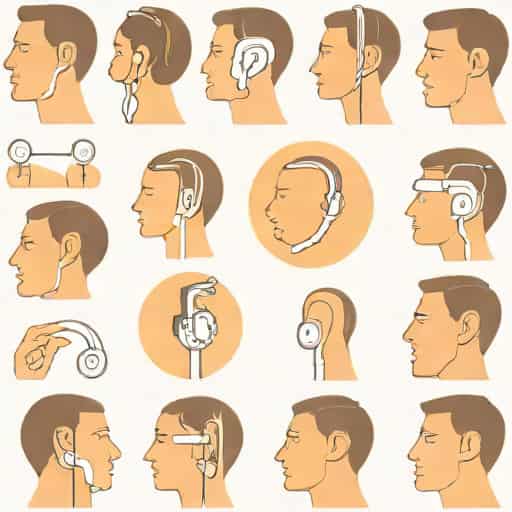
Hearing aid examination and selection is a crucial process for individuals experiencing hearing loss, and choosing the right device can significantly impact quality of life. Monaural hearing aids, which amplify sound in only one ear, are commonly used in cases of unilateral hearing loss or when a single ear requires support. The process of examination and selection involves multiple steps, including thorough hearing assessments, understanding the user’s lifestyle and needs, and evaluating different types of monaural devices. Careful consideration ensures that the hearing aid provides clear, comfortable sound and addresses the specific type and severity of hearing impairment.
Understanding Monaural Hearing Aids
Monaural hearing aids are designed to assist hearing in one ear. Unlike binaural hearing aids, which amplify sound in both ears, monaural devices focus on a single auditory pathway. This can be ideal for individuals with normal hearing in one ear and hearing loss in the other. Monaural aids come in various styles, including behind-the-ear (BTE), in-the-ear (ITE), and completely-in-canal (CIC), each offering different levels of amplification, comfort, and visibility. Understanding these differences is essential when selecting a device that meets both medical and personal needs.
Benefits of Monaural Hearing Aids
Monaural hearing aids offer several advantages for individuals with unilateral hearing loss
- Improved hearing in the impaired ear without over-amplifying sound in the normal ear.
- Reduced complexity and maintenance compared to binaural systems.
- Lower cost relative to purchasing two devices.
- Smaller size and discreet design options, enhancing comfort and aesthetics.
Hearing Aid Examination Process
The examination process is the first critical step in determining whether a monaural hearing aid is appropriate and which type will be most effective. It involves a comprehensive audiological evaluation to assess the degree and type of hearing loss, as well as understanding the patient’s lifestyle and communication needs. A thorough examination ensures that the hearing aid will provide optimal sound quality and user satisfaction.
Audiological Assessment
An audiologist performs a detailed assessment to measure hearing thresholds across different frequencies. Tests typically include pure-tone audiometry, speech recognition tests, and tympanometry to evaluate middle ear function. These assessments help determine whether the hearing loss is sensorineural, conductive, or mixed, which influences the choice of monaural hearing aid. The results guide the audiologist in setting the appropriate amplification levels and program settings for the device.
Medical Evaluation
In addition to hearing tests, a medical evaluation is essential to rule out conditions that could affect hearing aid performance. This may include checking for ear infections, earwax buildup, or structural abnormalities. Addressing these issues before fitting a hearing aid ensures both comfort and effectiveness. It also helps prevent complications that could arise from using a device in an unhealthy ear.
Lifestyle and Communication Needs Assessment
Understanding the patient’s daily activities, work environment, and social interactions is vital for selecting a monaural hearing aid. Some users require enhanced features such as noise reduction, directional microphones, or Bluetooth connectivity for phone and media use. The audiologist gathers information about these preferences to recommend a device that not only improves hearing but also supports the user’s lifestyle and communication goals.
Selection of Monaural Hearing Aids
Once the examination is complete, the selection process begins. Choosing the right monaural hearing aid involves evaluating the style, features, and technology level that best suit the patient’s hearing profile and preferences. Audiologists provide guidance on the advantages and limitations of each option, helping patients make an informed decision.
Types of Monaural Hearing Aids
The main styles of monaural hearing aids include
- Behind-the-Ear (BTE) Suitable for a wide range of hearing loss, these devices rest behind the ear and connect to an earmold. They offer powerful amplification and durability.
- In-the-Ear (ITE) Custom-fitted to the outer ear, ITE aids are less visible than BTE models and are suitable for mild to severe hearing loss.
- Completely-in-Canal (CIC) These are small devices that fit entirely within the ear canal, providing a discreet option for mild to moderate hearing loss.
Technological Features
Modern monaural hearing aids offer advanced features to enhance listening experience
- Digital signal processing for clearer sound and reduced background noise.
- Directional microphones to focus on sounds in front of the listener.
- Telecoil options for improved hearing in public spaces with induction loops.
- Wireless connectivity for streaming audio from phones, televisions, and other devices.
Fitting and Fine-Tuning
After selecting a monaural hearing aid, the fitting process begins. This involves programming the device according to the audiologist’s recommendations based on the hearing assessment. Fine-tuning ensures that the amplification levels are comfortable and that speech and environmental sounds are balanced. The fitting process may take multiple sessions to achieve optimal performance and user satisfaction.
Follow-Up and Adjustment
Regular follow-up appointments are important to monitor the user’s adaptation to the hearing aid. Adjustments may be needed to address changes in hearing, comfort issues, or lifestyle requirements. Continuous support from the audiologist helps maximize the benefit of the monaural hearing aid and ensures that users can communicate effectively in various environments.
User Education and Maintenance
Education on the proper use and care of monaural hearing aids is essential for long-term satisfaction. Users should learn how to insert and remove the device, change batteries, and clean the components to prevent damage and maintain sound quality. Understanding common troubleshooting techniques, such as dealing with feedback or moisture, helps users manage the device effectively and prolong its lifespan.
Tips for Effective Use
- Wear the hearing aid consistently to allow the brain to adapt to amplified sounds.
- Keep the device clean and dry, storing it in a safe place when not in use.
- Attend follow-up appointments for adjustments and hearing evaluations.
- Report any discomfort, feedback, or changes in hearing to the audiologist promptly.
Hearing aid examination and selection for monaural devices is a comprehensive process that requires careful evaluation, personalized recommendations, and ongoing support. By conducting thorough audiological and medical assessments, considering lifestyle needs, and selecting the appropriate device and technology, individuals can experience significant improvements in hearing and overall quality of life. Proper fitting, fine-tuning, and user education are essential to ensure that the monaural hearing aid provides optimal performance. With the right approach, monaural hearing aids can restore hearing function effectively, allowing users to engage confidently in communication and daily activities while addressing their specific hearing challenges.