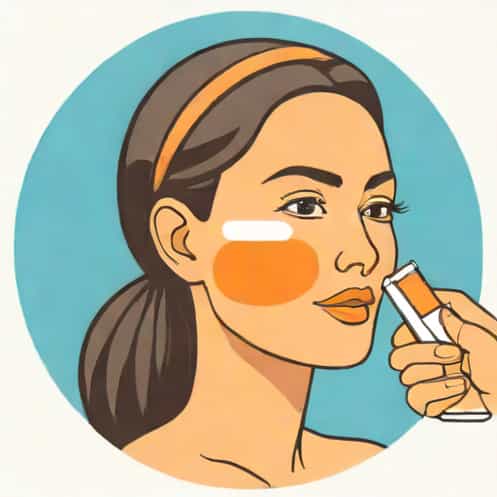
Applying sunblock on the face may seem simple, but doing it correctly can make a huge difference in how well your skin is protected from UV rays. Many people apply too little, forget certain areas, or choose the wrong product for their skin type. Understanding the right techniques helps prevent sunburn, premature aging, and long-term skin damage. A proper routine ensures that your sunblock offers full protection whether you are outdoors for hours or just going about your daily activities.
Why Proper Sunblock Application Matters
Using sunblock effectively is one of the most important steps in maintaining healthy skin. Facial skin is particularly delicate and exposed to sunlight every day. Applying sunblock correctly helps reduce the risk of dark spots, wrinkles, and sun-induced irritation. It also creates a protective barrier that prevents UV penetration.
Benefits of Using Sunblock Daily
- Protects against UVA and UVB rays
- Reduces the risk of premature aging
- Helps prevent hyperpigmentation
- Minimizes sunburn even on cloudy days
- Supports long-term skin health
Choosing the Right Sunblock for Your Face
The first step in learning how to apply sunblock on the face is choosing a formula that suits your skin. Facial sunblock tends to be lighter and less oily than body sunscreen, making it more comfortable for everyday use.
Consider Your Skin Type
Selecting a product that matches your skin type helps prevent irritation and improves comfort.
- Oily skinChoose a gel or matte sunscreen to avoid shine.
- Dry skinCreamy sunscreens with hydrating ingredients work best.
- Sensitive skinLook for mineral sunscreens with zinc oxide or titanium dioxide.
- Combination skinLightweight lotions often offer balanced protection.
Check the SPF Level
Dermatologists recommend using at least SPF 30 for daily sun protection. If you spend extended time outdoors, SPF 50 offers stronger coverage. A higher SPF does not replace the need for reapplication, but it does provide more UV filtering power.
How to Prepare Your Skin Before Applying Sunblock
For the best results, apply sunblock on clean, fresh skin. Preparation helps the product spread evenly and reduces the chance of clogged pores or uneven coverage.
Cleanse Your Face
Start with a gentle cleanser to remove oil, dirt, and makeup residue. Clean skin allows the sunblock to adhere properly and work effectively throughout the day.
Apply Moisturizer
If your sunblock is not a moisturizer-sunscreen hybrid, apply a light moisturizer first. Give the moisturizer a minute to absorb so it doesn’t mix unevenly with the sunblock.
Let Your Skin Dry Completely
Applying sunblock to damp skin can cause streaking or diluted protection. Make sure your face is fully dry before moving to the next step.
How to Apply Sunblock on the Face Step by Step
Using the right amount and technique ensures your skin receives maximum protection. The goal is full, even coverage without missing easily overlooked areas.
Use the Correct Amount
Most people use too little, resulting in weaker protection than the SPF level promises. A simple rule is to use about half a teaspoon for the face and neck combined.
Dot the Sunblock Around Your Face
Instead of rubbing a big blob into one area, place small dots on your forehead, cheeks, nose, chin, and neck. This makes it easier to spread evenly.
Spread With Gentle Upward Motions
Use your fingertips to blend the sunblock in soft, upward strokes. Focus on even coverage and avoid applying too close to the eyes unless the product is formulated for that area.
Don’t Forget the Easily Missed Spots
- Eyelids
- Hairline
- Jawline
- Neck and back of neck
- Ears
These areas often get burned because people skip them. Make sure all exposed skin is covered.
Let It Absorb Before Applying Makeup
Allow the sunblock to absorb for at least two to three minutes. Once it sinks in, you can apply makeup as usual. Some sunscreens also work well as a primer.
How to Apply Sunblock With Makeup
If you wear makeup daily, combining sunscreen and makeup might feel tricky, but it’s easy with the right approach.
Use Sunscreen as Your Base Layer
Always apply sunscreen before foundation. Makeup does not replace SPF protection because it rarely contains enough sunscreen ingredients.
Try Sunscreen-Infused Makeup for Extra Protection
Products like BB creams or foundations with SPF can add an additional layer of defense, but they should not be your only source of sun protection.
Use a Setting Spray With SPF
Reapplying sunscreen over makeup can be challenging, but SPF setting sprays help refresh your protection without disturbing your foundation.
How Often to Reapply Sunblock
Reapplication is essential for maintaining protection throughout the day, especially when you are outdoors.
General Reapplication Guidelines
- Every two hours during sun exposure
- After sweating or swimming
- After wiping your face with a towel
Reapplying Over Makeup
You can use a sunscreen stick or SPF powder for touch-ups without ruining your makeup. These products make it easier to maintain protection during work, errands, or travel.
Common Mistakes People Make With Sunblock
Even the best sunblock won’t work properly if applied incorrectly. Avoiding common mistakes helps ensure long-lasting protection.
Using Too Little Product
A pea-sized amount is not enough for your face. Using too little leaves gaps in coverage and reduces the effective SPF level.
Applying Only Once a Day
One-time application does not keep you protected all day. UV rays break down sunscreen over time, especially during outdoor activity.
Skipping Sunblock on Cloudy or Rainy Days
Up to 80 percent of UV rays pass through clouds. Even on dark days, your skin still needs sun protection.
Not Applying it on the Neck and Ears
These areas often show early signs of aging because they are exposed to sun but frequently overlooked.
How to Choose the Best Sunblock for Daily Use
Using the right sunscreen for your lifestyle makes daily application easier and more comfortable.
Lightweight Formulas for Everyday Wear
If you dislike heavy creams, choose gel-based or water-based sunscreens that absorb quickly and leave no residue.
Sunscreens for Outdoor Activity
When spending hours in the sun, choose sunscreens labeled water-resistant or sweat-resistant. These stay effective even during intense activities.
Sensitive Skin Options
Mineral sunscreens are ideal for sensitive or acne-prone skin because they protect without clogging pores or causing irritation.
Applying sunblock on the face properly is one of the most effective ways to maintain healthy, youthful skin. The right technique ensures even protection from UV rays, prevents signs of aging, and keeps your complexion smooth and clear. By preparing your skin, using the correct amount, covering all exposed areas, and reapplying throughout the day, you can enjoy reliable sun protection every day. Whether you wear makeup or prefer a natural look, making sunblock a consistent part of your routine will benefit your skin for years to come.