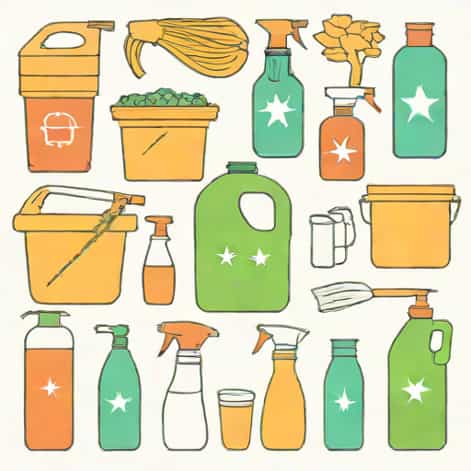
Zero waste household products are becoming increasingly popular as more people look for ways to reduce their environmental footprint and create sustainable living spaces. These products aim to minimize waste, avoid single-use plastics, and encourage the use of renewable or reusable materials. From kitchen items to personal care products, the zero waste movement offers practical solutions for daily life while promoting environmental responsibility. By adopting zero waste household products, families can contribute to a cleaner planet, reduce landfill contributions, and support ethical and eco-friendly businesses. The movement is not just about products but also a lifestyle shift that emphasizes conscious consumption and long-term sustainability.
Understanding Zero Waste Household Products
Zero waste household products are designed to be durable, reusable, and environmentally friendly. They often replace disposable alternatives with items that can be recycled, composted, or used repeatedly. The goal is to reduce the amount of waste generated in the home, ultimately lessening the impact on the environment. These products cover a wide range of categories, including cleaning supplies, kitchenware, personal hygiene items, and storage solutions. The zero waste philosophy also encourages buying products in bulk, choosing minimal packaging, and supporting brands committed to sustainability.
Categories of Zero Waste Products
- Kitchen reusable silicone bags, bamboo utensils, stainless steel straws, beeswax wraps.
- Cleaning refillable cleaning sprays, biodegradable sponges, compostable mop pads.
- Personal Care shampoo bars, bamboo toothbrushes, reusable cotton rounds, deodorant sticks.
- Storage glass jars, stainless steel containers, cloth produce bags.
- Laundry wool dryer balls, eco-friendly detergent sheets, reusable garment bags.
Benefits of Using Zero Waste Household Products
Adopting zero waste household products offers a multitude of environmental, financial, and health benefits. These products help reduce the reliance on single-use plastics, which take hundreds of years to decompose and contribute to global pollution. Additionally, zero waste items often last longer than their disposable counterparts, providing cost savings over time. Using natural or chemical-free products can also enhance personal health by reducing exposure to potentially harmful substances found in conventional household goods.
Environmental Benefits
- Reduction of landfill waste and pollution.
- Lower carbon footprint from production and disposal processes.
- Promotion of sustainable practices and eco-conscious living.
- Conservation of natural resources through reusable and biodegradable materials.
Financial Benefits
- Long-term savings by investing in durable, reusable products.
- Reduced need to continually purchase disposable items.
- Support for local and sustainable businesses, potentially boosting community economies.
Health Benefits
- Fewer chemicals and toxins in personal care and cleaning products.
- Better air and water quality due to reduced plastic pollution.
- Encouragement of mindful consumption and healthier lifestyle choices.
Popular Zero Waste Kitchen Products
The kitchen is often the area with the highest amount of waste due to disposable packaging and single-use items. Switching to zero waste kitchen products can have a significant impact on reducing household waste. Products like reusable silicone bags replace plastic sandwich bags, while beeswax wraps serve as an eco-friendly alternative to plastic cling film. Bamboo or stainless steel utensils, glass containers, and cloth produce bags help create a more sustainable kitchen environment. These items are durable, easy to clean, and reduce the environmental burden associated with single-use plastics.
Examples of Kitchen Zero Waste Items
- Beeswax wraps instead of plastic wrap.
- Reusable silicone storage bags for food.
- Bamboo or stainless steel utensils and straws.
- Glass jars for storage and bulk shopping.
- Cloth bags for fruits and vegetables.
Zero Waste Personal Care Products
Personal care products are another key area where zero waste options can make a difference. Traditional products like plastic shampoo bottles, disposable razors, and cotton pads contribute to significant waste. Switching to shampoo bars, bamboo toothbrushes, reusable cotton rounds, and safety razors helps reduce plastic usage and environmental impact. Many zero waste personal care products also contain natural ingredients, which can be gentler on the skin and hair compared to chemical-laden alternatives.
Popular Personal Care Items
- Shampoo and conditioner bars.
- Bamboo or recycled material toothbrushes.
- Reusable cotton pads for skincare routines.
- Aluminum or glass deodorant sticks instead of plastic containers.
- Menstrual cups or cloth pads for sustainable hygiene.
Cleaning and Household Supplies
Cleaning products often come in single-use plastic bottles and contain chemicals harmful to the environment. Zero waste alternatives include refillable bottles with concentrated cleaning solutions, biodegradable sponges, and compostable mop pads. These products reduce plastic waste and often contain natural ingredients, making them safer for households and the planet. Implementing zero waste cleaning products encourages a cleaner and more sustainable home environment.
Examples of Zero Waste Cleaning Products
- Refillable spray bottles with concentrated cleaning solutions.
- Biodegradable or compostable sponges and cloths.
- Eco-friendly detergent sheets or powders.
- Reusable mop pads and scrubbers.
- Natural surface cleaners like vinegar or baking soda mixes.
Tips for Transitioning to a Zero Waste Household
Transitioning to zero waste products may seem challenging initially, but it is achievable with small, intentional steps. Start by identifying disposable items in your home and replacing them with sustainable alternatives. Consider shopping in bulk to reduce packaging, and support brands committed to environmentally friendly practices. Over time, these small changes can create a meaningful impact on both household waste and the broader environment. The key is consistency and choosing durable, reusable products whenever possible.
Transition Strategies
- Begin with areas of high waste, such as the kitchen or bathroom.
- Replace single-use items gradually with durable, reusable options.
- Buy products in bulk to minimize packaging waste.
- Educate household members about the benefits of zero waste practices.
- Participate in recycling, composting, and upcycling programs.
Zero waste household products offer a practical and effective way to reduce environmental impact while creating a sustainable lifestyle. From kitchenware to personal care items, these products replace disposable alternatives with durable, reusable, and eco-friendly options. Adopting zero waste practices not only benefits the planet but also provides financial savings, improved health, and a sense of responsibility toward future generations. By making conscious choices and integrating zero waste products into everyday life, households can play a significant role in building a cleaner, greener, and more sustainable world for everyone.