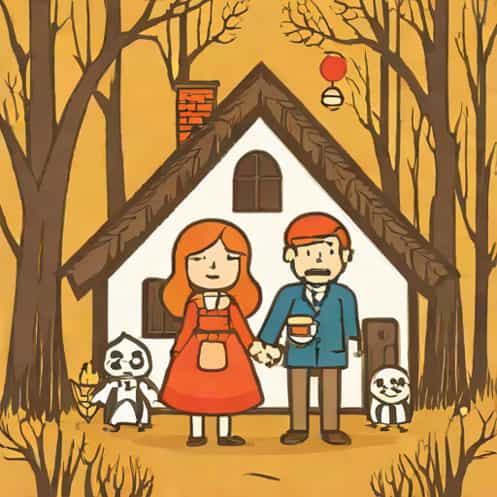
Humperdinck’s opera Hansel and Gretel is a timeless work that has captivated audiences for over a century with its enchanting music, rich orchestration, and memorable characters. Based on the famous Brothers Grimm fairy tale, the opera brings the story of the two children who get lost in the forest and encounter a witch to life through an expressive and imaginative musical journey. Engelbert Humperdinck, a German composer, skillfully blends traditional folk melodies with classical operatic structures, creating a work that appeals to both children and adults. The combination of a familiar story with sophisticated musical craftsmanship has made Hansel and Gretel a staple in the opera repertoire worldwide.
Background of the Opera
Engelbert Humperdinck composed Hansel and Gretel in the late 19th century, completing the opera in 1893. The libretto was written by Humperdinck’s sister, Adelheid Wette, who adapted the Grimm fairy tale into a dramatic and lyrical structure suitable for the stage. The opera was intended to capture the charm and innocence of the original story while incorporating musical elements that would appeal to both children and adult audiences. Humperdinck’s education under Richard Wagner influenced his approach to orchestration and leitmotif usage, giving the opera a richness that elevates it beyond a simple fairy tale adaptation.
Plot Summary
The opera follows the classic story of Hansel and Gretel, two siblings who live with their impoverished parents near a forest. One day, the children are led into the forest and become lost. Hungry and frightened, they stumble upon a house made of candy, which belongs to a wicked witch. The witch intends to harm them, but through cleverness and bravery, Hansel and Gretel manage to outwit her and return safely home. Along the way, the opera includes magical and whimsical elements such as fairies, enchanted animals, and folk-inspired songs, creating a rich narrative experience that combines tension, humor, and heartwarming moments.
Musical Style and Features
Humperdinck’s Hansel and Gretel is notable for its combination of folk-inspired melodies and sophisticated orchestral techniques. The composer integrates German folk tunes into the vocal lines, providing authenticity and charm, while the orchestration reflects his Wagnerian training. The use of leitmotifs helps associate specific musical phrases with characters, emotions, or magical elements, enhancing the storytelling. For example, the children have playful, light motifs, whereas the witch’s themes are darker and more menacing, creating a clear musical distinction between innocence and danger.
Notable Musical Numbers
Several pieces from Hansel and Gretel have become particularly famous and are often performed independently in concert settings
Sung by Hansel and Gretel, this duet is a gentle, lyrical moment that captures the children’s innocence and faith as they face uncertainty in the forest. A lullaby sung by the Sandman character, creating a dreamy atmosphere and enchanting listeners with its delicate orchestration. Early scenes in the opera include festive choruses and dances that establish the cultural and familial setting of the story.
Characters and Vocal Roles
The opera features a range of characters that contribute to both the dramatic tension and the whimsical charm of the story. The primary roles include
- HanselA young boy with a playful and courageous spirit, typically performed by a mezzo-soprano or soprano in a trouser role.
- GretelHansel’s sister, often portrayed as innocent and resourceful, usually sung by a soprano.
- WitchThe antagonist of the story, characterized by a menacing and exaggerated vocal style, often performed by a mezzo-soprano or soprano.
- SandmanA magical figure who helps the children, singing a gentle lullaby that adds to the dreamlike quality of the opera.
- Other charactersInclude the mother, father, and various magical creatures such as angels and fairies, all contributing to the story’s charm and moral lessons.
Staging and Production
Productions of Hansel and Gretel often emphasize visual spectacle to match the opera’s magical elements. Set designs frequently include forest scenes, candy houses, and elaborate costumes for the witch and magical characters. Directors may choose traditional or modern interpretations, but the opera’s enduring appeal lies in its ability to combine storytelling, music, and visual artistry in a cohesive performance. Children and adults alike are drawn to the vibrant colors, imaginative sets, and dynamic performances that bring the fairy tale to life on stage.
Reception and Legacy
Since its premiere at the Weimar Court Theatre in 1893, Hansel and Gretel has been widely celebrated for its imaginative adaptation and musical brilliance. The opera quickly gained popularity in Germany and eventually around the world, becoming a staple in both opera houses and holiday performances. Its combination of folk music, dramatic storytelling, and engaging characters has ensured its status as a classic. Critics praise Humperdinck’s skill in balancing sophistication with accessibility, making the opera suitable for audiences of all ages. Today, Hansel and Gretel continues to be performed internationally, often around Christmas, reflecting its enduring charm and cultural significance.
Educational and Cultural Impact
Hansel and Gretel is often used as an introduction to opera for young audiences due to its familiar story and engaging music. Schools and community theaters frequently stage productions, teaching children about classical music, performance, and storytelling. The opera also preserves elements of German folklore and musical tradition, offering insight into cultural history. By combining education and entertainment, Humperdinck’s work continues to inspire new generations of performers and audiences.
Engelbert Humperdinck’s Hansel and Gretel remains a beloved and influential work in the world of opera. By transforming a classic fairy tale into a rich musical and theatrical experience, Humperdinck created a work that appeals to both children and adults. The opera’s memorable characters, folk-inspired melodies, and magical storytelling have cemented its place in the operatic canon. With its engaging plot, charming music, and visually captivating productions, Hansel and Gretel continues to delight audiences around the world, ensuring that the legacy of this enchanting opera endures for generations to come.