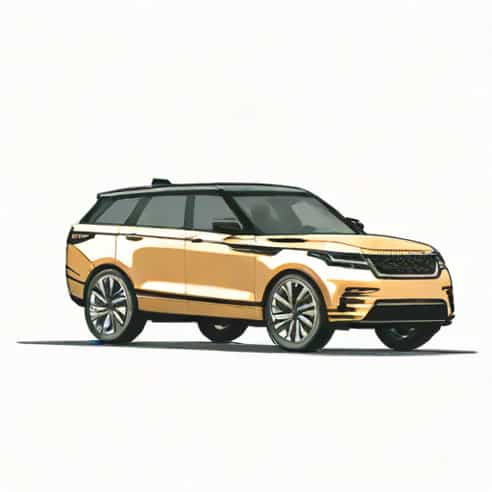
The automotive industry is undergoing a significant shift towards electrification, and luxury car brands like Land Rover are exploring new possibilities for sustainability, performance, and innovation. Among the most discussed models in recent years is the Range Rover Velar, a vehicle that blends modern design, advanced technology, and off-road capability. One of the common questions prospective buyers and automotive enthusiasts ask is whether the Range Rover Velar is fully electric or if it offers hybrid or traditional internal combustion engine options. Understanding the powertrain options, technology, and future plans for electrification is crucial for anyone considering this luxury SUV.
Range Rover Velar Overview
The Range Rover Velar was first introduced in 2017 as a midsize luxury SUV, positioned between the smaller Range Rover Evoque and the larger Range Rover Sport. Its name, Velar, pays homage to the original Range Rover prototypes from the late 1960s. Known for its sleek design, minimalist interior, and high-end materials, the Velar has quickly gained recognition for combining style with functionality. The SUV features advanced infotainment systems, driver-assist technologies, and multiple powertrain options depending on the model year and region.
Powertrain Options
As of the current lineup, the Range Rover Velar is not available as a fully electric vehicle. Instead, it offers a combination of internal combustion engines and mild-hybrid or plug-in hybrid technologies. Here are the main options
- Petrol EnginesThe Velar comes with turbocharged four-cylinder and supercharged six-cylinder petrol engines, providing a balance of power and efficiency.
- Diesel EnginesIn certain markets, diesel engines are available, offering torque for off-road driving and better fuel efficiency for long-distance travel.
- Mild-Hybrid TechnologySome petrol and diesel engines are paired with a 48-volt mild-hybrid system, which enhances efficiency and reduces emissions without requiring external charging.
- Plug-in Hybrid (PHEV)The Velar also offers a plug-in hybrid variant, combining a petrol engine with an electric motor. This allows for short all-electric trips while maintaining long-range capabilities.
Is the Range Rover Velar Fully Electric?
Currently, the Range Rover Velar does not offer a fully electric (battery-electric) version. Unlike competitors such as the Tesla Model X or Audi e-tron, the Velar relies on hybrid systems to integrate electric power into its drivetrain. The plug-in hybrid model provides a glimpse into Land Rover’s electrification strategy, allowing drivers to experience partial electric driving. However, for buyers seeking a completely battery-powered SUV from Land Rover, other models like the upcoming Range Rover EV or the fully electric Jaguar I-PACE may be more suitable.
Advantages of Velar’s Hybrid Options
Although not fully electric, the hybrid technology in the Range Rover Velar offers several benefits
- Reduced Fuel ConsumptionThe electric motor assists the petrol engine, lowering overall fuel usage during city driving and short trips.
- Lower EmissionsMild-hybrid and plug-in hybrid systems help reduce carbon emissions, contributing to greener driving.
- Smooth PerformanceHybrid technology enhances acceleration and provides instant torque from the electric motor, improving driving dynamics.
- ConveniencePlug-in hybrids can be charged at home or at public charging stations, offering limited all-electric range for short commutes.
Future of Electrification for Range Rover
Land Rover has announced ambitious plans to electrify its entire lineup in the coming years. By the late 2020s, the company intends to offer fully electric versions of most of its models, including the Range Rover Velar. This transition aligns with global trends toward sustainable mobility and stricter emission regulations. Future iterations of the Velar are expected to feature more advanced battery technology, extended electric range, and faster charging capabilities, making a fully electric Velar a real possibility.
Comparisons with Fully Electric SUVs
For buyers considering a luxury electric SUV, it is helpful to compare the Velar’s hybrid options with fully electric alternatives
- Tesla Model XOffers long-range battery-electric driving, advanced autopilot features, and zero tailpipe emissions.
- Audi e-tronCombines luxury interior with fully electric powertrain, capable of competitive range and fast charging.
- Jaguar I-PACELand Rover’s sister brand fully electric SUV, offering instant torque, all-wheel drive, and stylish design.
While the Range Rover Velar’s hybrid options provide a balance between traditional engines and electric assistance, these fully electric SUVs deliver 100% zero-emission driving and cutting-edge technology designed specifically for electric mobility.
The Range Rover Velar is not fully electric as of now, but it does offer hybrid and plug-in hybrid models that incorporate electric power to improve efficiency, reduce emissions, and enhance performance. Its luxurious design, off-road capability, and advanced technology make it a desirable option for those who want a high-end SUV with some electric functionality. Land Rover’s commitment to future electrification suggests that fully electric versions of the Velar may become available in the coming years, aligning with global sustainability trends. For now, buyers can enjoy the benefits of hybrid power while experiencing the style, comfort, and capability that the Range Rover Velar is known for.
Understanding whether the Velar is electric requires distinguishing between full battery-electric vehicles and hybrid systems. While the Velar does not yet offer full electric propulsion, its hybrid variants represent a step toward more sustainable driving. Prospective owners looking for a fully electric luxury SUV may need to consider other models or wait for upcoming electric versions, but the Velar’s current technology provides a balanced approach to modern automotive electrification.