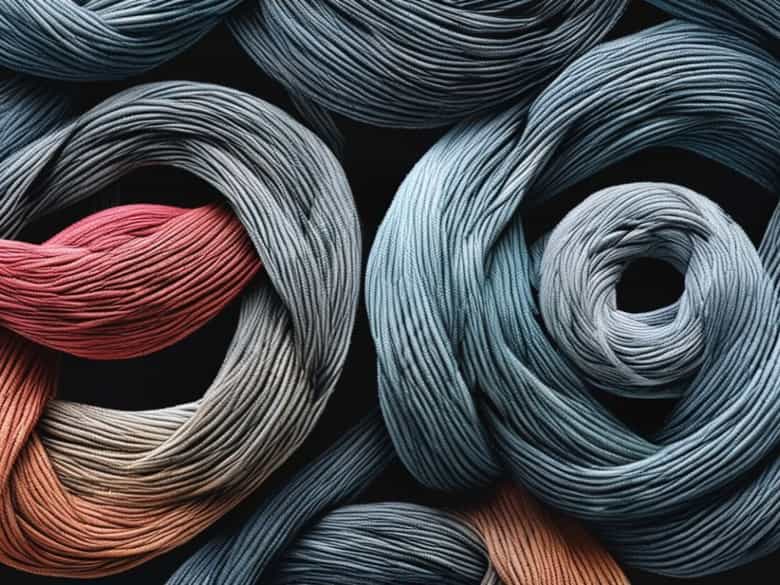
Loops and threads are the foundation of every yarn-based creation, forming the basis of intricate patterns that define textiles, knitting, and crochet projects. The careful manipulation of loops and threads allows artisans to create impeccable yarn patterns that combine durability, aesthetics, and functionality. Whether for fashion, home décor, or artistic expression, understanding the relationship between loops and threads is essential for achieving high-quality results. This knowledge also informs the selection of materials, techniques, and tools needed to produce complex and visually appealing designs. From simple stitches to elaborate lacework, loops and threads provide endless possibilities for innovation and creativity in yarn crafts.
Understanding Loops in Yarn Work
In yarn crafting, a loop refers to a single unit of yarn that is pulled through or around other loops to form stitches. Loops are the building blocks of patterns, and their size, tension, and arrangement directly affect the final appearance and texture of the fabric. Proper loop formation ensures evenness, stability, and strength in the finished product, while inconsistent loops can lead to uneven patterns or weak spots in the fabric.
Types of Loops
- Single LoopsThe simplest type of loop, often used in basic crochet or knitting stitches.
- Double LoopsCreated by wrapping the yarn twice around the hook or needle, producing a thicker, more textured stitch.
- Interlocked LoopsLoops that pass through each other to form complex patterns, as seen in lace or cable knitting.
- Slip LoopsLoops used to move yarn from one point to another without creating a full stitch, essential for shaping and decorative patterns.
The Role of Threads in Yarn Patterns
Threads, or strands of yarn, provide the raw material for loops and determine the visual and structural qualities of yarn patterns. Threads vary in thickness, fiber type, and twist, influencing the softness, elasticity, and durability of the finished work. Selecting the right type of thread is crucial for achieving the desired pattern and functionality. Fine threads are ideal for delicate lacework or intricate designs, while thicker threads are suited for robust, textured patterns such as cables or chunky knits.
Types of Threads
- Natural FibersCotton, wool, silk, and linen threads offer different textures, elasticity, and breathability for various projects.
- Synthetic FibersAcrylic, nylon, and polyester threads provide durability, colorfastness, and affordability.
- Blended FibersCombinations of natural and synthetic fibers balance the benefits of both, offering strength, elasticity, and aesthetic appeal.
- Specialty ThreadsMetallic, textured, or hand-spun threads add unique visual and tactile elements to patterns.
Creating Impeccable Yarn Patterns
Impeccable yarn patterns arise from the precise interaction of loops and threads. Pattern creation involves careful planning, consistent tension, and understanding the properties of the chosen yarn. Experienced crafters can combine various loop types and thread characteristics to produce patterns that are both visually stunning and structurally sound.
Basic Techniques for Pattern Perfection
- Consistent TensionMaintaining even tension ensures uniform loop size, preventing distortions in the pattern.
- Accurate CountingKeeping track of stitches and loops is essential for maintaining symmetry and avoiding mistakes in complex patterns.
- Proper Yarn SelectionMatching the thread thickness and fiber type to the desired pattern and function enhances the final result.
- Attention to DetailInspecting each loop and stitch during creation helps catch errors early, resulting in a cleaner, more polished design.
Advanced Pattern Techniques
Advanced crafters often employ specialized techniques to elevate yarn patterns from simple designs to works of art. These techniques manipulate loops and threads in innovative ways to achieve texture, depth, and intricate visuals.
- CablesIntertwined loops that create raised, rope-like patterns in knitting, adding texture and complexity.
- LaceworkDelicate patterns using fine threads and openwork loops to create airy, intricate designs.
- Textured StitchesCombinations of single, double, and interlocked loops produce rich textures in blankets, scarves, and garments.
- ColorworkChanging thread colors strategically within loops to form patterns such as stripes, motifs, or gradients.
Maintaining Quality in Yarn Patterns
Achieving and maintaining impeccable yarn patterns requires not only technical skill but also proper handling and care of materials. Threads must be stored carefully to prevent tangling or damage, and environmental factors like humidity can affect tension and elasticity. Tools such as high-quality needles, hooks, and tension guides also contribute to consistency and precision in loop formation.
Common Challenges and Solutions
- Uneven LoopsRegularly practicing tension control and using stitch markers can help maintain uniformity.
- Thread SplittingChoosing smooth, well-spun threads and avoiding excessive pulling prevents fraying or splitting.
- Pattern DistortionBlocking and shaping techniques help maintain the intended dimensions and form of complex patterns.
- Color BleedingPre-washing dyed threads and careful color selection prevent unwanted blending in multi-colored patterns.
The Artistry of Loops and Threads
Loops and threads are not just functional elements; they are the foundation of artistic expression in yarn crafts. The interplay of loops, tension, thread types, and colors allows crafters to produce intricate, expressive designs that convey personality, culture, and creativity. From heirloom quilts to fashion-forward garments, the artistry lies in the deliberate choices made at every step, from selecting the perfect thread to executing flawless loops. Mastery of these elements elevates simple yarn work into a visually compelling and tactilely satisfying art form.
Applications of Impeccable Yarn Patterns
- FashionSweaters, scarves, hats, and gloves benefit from advanced patterning to enhance style and texture.
- Home DécorBlankets, cushions, and wall hangings showcase artistic yarn patterns in practical forms.
- Artistic ExpressionYarn installations, tapestries, and sculptures explore loops and threads for creative storytelling.
- Therapeutic CraftingEngaging in detailed yarn work can reduce stress and enhance mindfulness, with impeccable patterns providing visual satisfaction.
Loops and threads form the core of all yarn-based creations, and mastering their interaction is essential for creating impeccable yarn patterns. From understanding basic loops to experimenting with advanced stitches and thread types, artisans can craft designs that are functional, aesthetically pleasing, and artistically expressive. Consistent tension, careful planning, and attention to detail ensure the integrity and beauty of the final product. Whether for practical use, fashion, or artistic exploration, loops and threads provide endless possibilities for innovation, making them indispensable tools in the world of yarn crafting.