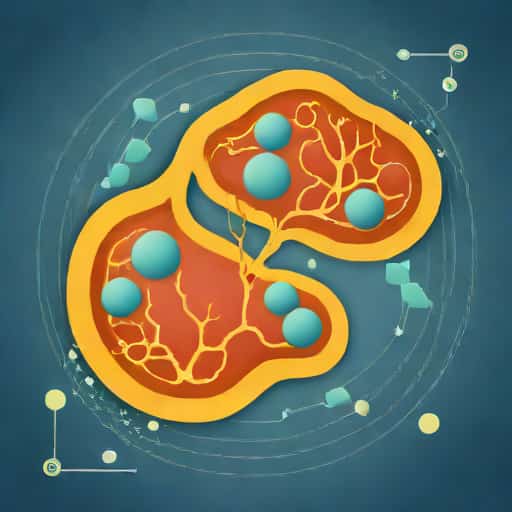
Cellular respiration is a fundamental biological process that enables living organisms to convert nutrients into usable energy. This energy is essential for a wide range of cellular activities, including growth, repair, and maintenance of homeostasis. At the heart of this vital process lies a specialized organelle that orchestrates the transformation of glucose and oxygen into adenosine triphosphate, or ATP, the energy currency of the cell. Understanding the structure and function of this organelle sheds light on how cells sustain life and respond to energy demands in both plants and animals.
The Mitochondrion Powerhouse of the Cell
The organelle responsible for cellular respiration is the mitochondrion. Often referred to as the powerhouse of the cell, mitochondria are double-membrane-bound structures found in almost all eukaryotic cells. Their primary role is to generate ATP through oxidative phosphorylation, a process that occurs during the final stage of cellular respiration. While mitochondria are most recognized for energy production, they also play roles in cell signaling, apoptosis (programmed cell death), and the regulation of metabolic pathways.
Structure of Mitochondria
Mitochondria have a distinctive structure that supports their function. The outer membrane acts as a barrier between the cytosol and the mitochondrial interior, allowing selective transport of molecules. The inner membrane is folded into cristae, which increase the surface area for chemical reactions involved in ATP synthesis. Inside the inner membrane lies the mitochondrial matrix, a gel-like substance containing enzymes, mitochondrial DNA, and ribosomes. These structural components are crucial for the complex reactions of the citric acid cycle and the electron transport chain.
Stages of Cellular Respiration in Mitochondria
Cellular respiration occurs in multiple stages, each contributing to the efficient production of ATP. While some initial steps, like glycolysis, occur in the cytoplasm, the majority of energy production takes place in the mitochondria.
1. Pyruvate Oxidation
After glycolysis breaks down glucose into pyruvate in the cytoplasm, pyruvate is transported into the mitochondrial matrix. There, it is converted into acetyl-CoA, producing NADH and releasing carbon dioxide as a byproduct. This step links glycolysis with the citric acid cycle and is essential for energy extraction.
2. Citric Acid Cycle (Krebs Cycle)
Within the mitochondrial matrix, acetyl-CoA enters the citric acid cycle. During this cycle, high-energy electrons are transferred to electron carriers, including NADH and FADH2, while carbon dioxide is released. Each turn of the cycle generates a small amount of ATP and sets the stage for the next, more energy-intensive phase.
3. Electron Transport Chain and Oxidative Phosphorylation
The inner mitochondrial membrane houses the electron transport chain, where electrons from NADH and FADH2 are passed along a series of protein complexes. This electron transfer drives the pumping of protons into the intermembrane space, creating a proton gradient. ATP synthase, a specialized enzyme, uses this gradient to convert ADP into ATP. Oxygen serves as the final electron acceptor, combining with electrons and protons to form water, completing the process.
Importance of Mitochondria in Energy Production
The efficiency of mitochondria is remarkable. Each glucose molecule processed through cellular respiration can generate up to 36-38 molecules of ATP, depending on the cell type. This energy powers essential cellular activities such as muscle contraction, nerve impulse transmission, and active transport mechanisms. Without mitochondria, eukaryotic cells would struggle to meet their energy requirements, highlighting the organelle’s indispensable role in sustaining life.
Additional Functions of Mitochondria
- Regulation of ApoptosisMitochondria release cytochrome c and other pro-apoptotic factors to trigger programmed cell death, a process critical for development and cellular turnover.
- Calcium SignalingThey help regulate intracellular calcium levels, which are vital for muscle contraction, neurotransmission, and enzyme activity.
- Heat ProductionIn specialized cells, mitochondria can produce heat through a process called non-shivering thermogenesis, which is essential for maintaining body temperature in cold environments.
- Metabolic IntermediatesMitochondria generate intermediates used in amino acid, lipid, and nucleotide synthesis, linking energy production with overall cellular metabolism.
Health Implications of Mitochondrial Function
Proper mitochondrial function is crucial for overall health. Dysfunction in mitochondria can lead to energy deficits, contributing to a variety of diseases and conditions. Mitochondrial disorders may manifest as muscle weakness, neurodegenerative diseases, and metabolic syndromes. Moreover, research suggests that mitochondrial efficiency declines with age, contributing to fatigue and decreased organ function. Understanding how mitochondria operate provides insights into potential therapeutic strategies for a wide range of health challenges.
Maintaining Mitochondrial Health
Several lifestyle factors can influence mitochondrial function. Regular exercise has been shown to increase mitochondrial density and efficiency in muscle cells. A balanced diet rich in antioxidants can protect mitochondria from oxidative damage, while certain compounds, such as coenzyme Q10, may support mitochondrial electron transport. Avoiding excessive alcohol consumption and managing chronic stress also contribute to optimal mitochondrial performance, supporting energy production and cellular health.
The organelle responsible for cellular respiration, the mitochondrion, is indispensable for life. Through a complex sequence of biochemical reactions, it converts nutrients into ATP, enabling cells to perform essential functions. Its intricate structure, encompassing the outer membrane, cristae, and matrix, facilitates efficient energy production while also supporting additional cellular processes such as apoptosis, calcium regulation, and metabolic integration. Mitochondria are central not only to individual cellular health but also to the functioning of entire organisms.
Understanding the role of mitochondria underscores the importance of energy management within the cell and highlights the interconnectedness of cellular processes. From powering muscle contractions to supporting neurological function, these organelles ensure that living organisms have the energy needed to survive, adapt, and thrive. Maintaining mitochondrial health through lifestyle choices and nutritional support can optimize energy production and contribute to overall well-being. Ultimately, mitochondria exemplify the elegance and complexity of cellular biology, serving as both power generators and vital regulators within the intricate system of life.