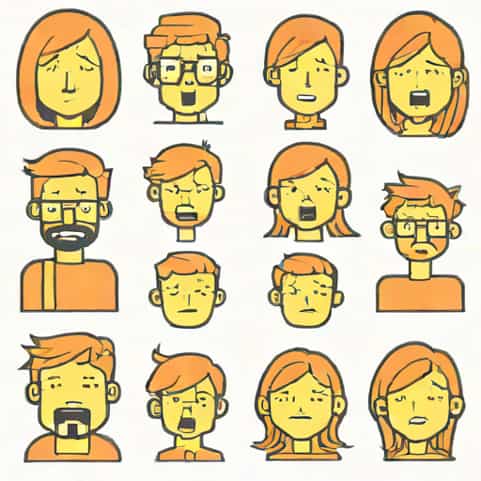
Feeling embarrassed is a universal human emotion, one that arises in moments of social discomfort, awkwardness, or self-consciousness. Whether it happens in front of a crowd, during a conversation, or in private reflection, embarrassment can manifest physically through blushing, fidgeting, or awkward laughter. While the word embarrassed is commonly used to describe this sensation, there are numerous alternative expressions and synonyms that convey similar feelings with varying shades of intensity and nuance. Understanding these alternatives can enrich communication, helping people express their emotions more precisely in everyday conversation, writing, and professional settings.
Common Synonyms for Embarrassed
Several words closely mirror the feeling of embarrassment, often interchangeable in casual and formal contexts. These terms capture the sense of discomfort or self-consciousness that comes with awkward or socially challenging situations.
- AshamedSuggests a deeper moral or ethical dimension, often associated with feeling guilty or remorseful.
- HumiliatedImplies a stronger, often public, sense of shame or degradation.
- FlusteredIndicates nervousness or confusion, usually accompanied by hurried or disorganized behavior.
- AwkwardHighlights social clumsiness or discomfort, emphasizing external behaviors and interactions.
- Self-consciousFocuses on heightened awareness of oneself, often leading to nervousness or embarrassment.
- MortifiedConveys an intense level of embarrassment, often associated with shock or extreme discomfort.
- ChagrinedSuggests mild embarrassment or irritation due to failure or disappointment.
Informal and Slang Alternatives
In casual speech, people often use slang or informal expressions to describe feelings of embarrassment. These alternatives are commonly found in conversations among friends, social media posts, and humorous contexts.
- CringedReflects the reaction to a situation that is socially awkward or embarrassing, often used to describe second-hand embarrassment.
- Red-facedA descriptive term referencing the physical reaction of blushing.
- AwkiesA playful slang term for feeling awkward or embarrassed.
- BlushingA literal and figurative term used to describe both the physical and emotional experience of embarrassment.
- Caught off guardImplies sudden embarrassment due to unexpected circumstances or questions.
Contextual Variations
The word embarrassed can be nuanced depending on context, and various alternatives may fit better in specific situations. Understanding these contextual variations allows for more accurate and expressive communication.
Professional or Formal Settings
- UncomfortableA polite, understated way to express mild embarrassment in workplace or formal situations.
- Ill at easeIndicates social discomfort or self-consciousness in a refined or professional manner.
- AbashedA more formal, literary term for feeling embarrassed or ashamed, often used in writing.
- DisconcertedDescribes a sense of being unsettled or disturbed, often used in intellectual or professional contexts.
Everyday Situations
- SheepishSuggests embarrassment combined with modesty or slight guilt, often used in casual conversation.
- AwkwardCommonly used to describe social missteps, minor blunders, or uncomfortable situations.
- Red-facedOften used in informal settings to describe visible embarrassment caused by an awkward moment or comment.
- FlusteredPerfect for situations where embarrassment leads to nervous actions or rushed behavior.
Expressing Embarrassment Through Phrases
Beyond single-word alternatives, certain phrases and expressions effectively convey embarrassment. These can add variety to writing and speech, making emotional descriptions more vivid and relatable.
- I feel so out of place Emphasizes social discomfort in unfamiliar settings.
- That was awkward Simple, informal way to acknowledge a socially uncomfortable moment.
- I can’t believe I did that Highlights personal embarrassment about one’s own actions.
- Caught me off guard Expresses surprise and embarrassment due to unexpected circumstances.
- I wish the ground would swallow me up A dramatic idiom often used humorously to describe extreme embarrassment.
Physical and Emotional Signs of Embarrassment
Embarrassment often manifests in both physical and emotional ways. Recognizing these signs can help people understand their own reactions and communicate their feelings more accurately.
- Blushing or flushing of the face.
- Nervous laughter or giggling.
- Shuffling or fidgeting movements.
- Avoiding eye contact or looking down.
- Stammering or hesitant speech.
- Feeling of heat or discomfort in the chest or face.
Using Synonyms Effectively
Choosing the right synonym for embarrassed depends on the intensity of the emotion and the context. For mild social discomfort, words like awkward or self-conscious may suffice. For stronger emotions, terms like mortified, humiliated, or chagrined are more appropriate. Informal alternatives like red-faced or flustered work well in casual conversation or storytelling, while formal alternatives such as abashed or disconcerted fit professional or literary contexts. By selecting the most suitable term, writers and speakers can communicate feelings with greater nuance and precision.
Tips for Expressing Embarrassment in Writing
- Consider the intensity of the emotion mild, moderate, or severe.
- Match the synonym to the context formal, informal, professional, or casual.
- Use descriptive phrases to add depth and clarity.
- Balance physical and emotional cues to make the experience relatable.
- Be mindful of tone to avoid exaggeration or underplaying the emotion.
Embarrassment is a common human experience, but the word embarrassed alone does not capture the full range of nuances associated with this emotion. From mild awkwardness to intense humiliation, there are numerous alternatives that can effectively communicate the feeling in different contexts. Words like ashamed, humiliated, flustered, red-faced, and self-conscious offer varied levels of intensity, while phrases such as caught me off guard or I feel so out of place provide expressive options for casual and formal settings alike. By understanding and using these synonyms, individuals can better articulate their emotions, enhance storytelling, and connect with others through shared experiences of social discomfort.
Ultimately, having a diverse vocabulary for expressing embarrassment not only improves communication but also allows for empathy and relatability. Whether in writing, conversation, or public speaking, choosing the right word or phrase ensures that the emotional nuance is conveyed accurately, making interactions more meaningful and expressive.