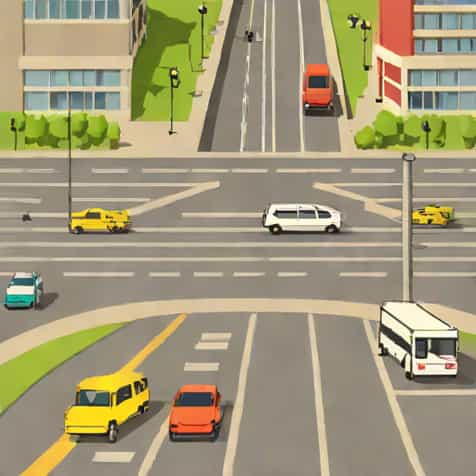
A contraflow bus lane is a dedicated traffic lane that allows buses to travel in the opposite direction to the normal flow of traffic on a one-way or two-way street. This traffic management strategy is increasingly used in urban areas to improve public transportation efficiency, reduce congestion, and encourage people to use buses instead of private vehicles. By providing a separate lane for buses, city planners can ensure that public transportation moves quickly and reliably, even during peak traffic hours. Contraflow bus lanes are especially effective in busy city centers where traffic congestion often slows down regular bus services, and they play a key role in promoting sustainable transportation and reducing pollution.
Understanding Contraflow Bus Lanes
A contraflow bus lane is typically marked with clear road signs, road markings, and sometimes physical barriers that distinguish it from regular traffic lanes. Unlike normal lanes where traffic flows in one direction, contraflow lanes allow buses to travel against the main direction of other vehicles. This design enables buses to bypass traffic jams, reduce travel time, and maintain a more consistent schedule. Contraflow lanes are usually enforced with traffic regulations to prevent other vehicles from entering, ensuring the safety and efficiency of the bus service.
Design and Implementation
Implementing a contraflow bus lane requires careful planning and consideration of road width, traffic density, and safety measures. In many cities, contraflow lanes are installed on streets that are wide enough to accommodate a bus traveling in the opposite direction without obstructing other traffic. Pavement markings, signage, and sometimes traffic signals are adjusted to alert drivers of the unusual traffic flow. Physical barriers, such as curbs or bollards, may also be installed to prevent unauthorized vehicles from entering the lane. Safety measures, including pedestrian crossings and cyclist awareness campaigns, are essential to reduce accidents and ensure smooth operation.
Benefits of Contraflow Bus Lanes
Contraflow bus lanes offer numerous advantages for both public transportation users and city traffic management. These lanes improve bus reliability, encourage public transit use, and can reduce overall congestion. The main benefits include
- Improved Bus EfficiencyBuses can avoid traffic jams and maintain regular schedules, which improves reliability for passengers.
- Reduced CongestionBy prioritizing buses, fewer private cars are needed on the roads, easing overall traffic flow.
- Environmental BenefitsEfficient bus services reduce fuel consumption per passenger and lower greenhouse gas emissions.
- Encouragement of Public TransportFaster and more reliable buses encourage commuters to switch from private cars to public transportation.
- Urban MobilityContraflow lanes contribute to better urban planning and smoother traffic movement in busy city centers.
Impact on Traffic Flow
Contraflow bus lanes change the dynamics of urban traffic by allowing buses to bypass congestion. While some may initially worry about conflicts with other vehicles, well-designed contraflow lanes integrate seamlessly with existing traffic patterns. Traffic signals and signs guide drivers and pedestrians, and enforcement ensures that only buses and authorized vehicles use the lane. Over time, these lanes can lead to more organized and predictable traffic flow, reducing delays for all road users.
Safety Considerations
Safety is a primary concern when implementing contraflow bus lanes because vehicles are moving in the opposite direction to regular traffic. Several measures are usually taken to ensure safety
- Clear signage and road markings to alert drivers, pedestrians, and cyclists of the contraflow lane.
- Dedicated traffic signals for buses to prevent collisions with turning vehicles.
- Physical separation or barriers in high-traffic areas to prevent unauthorized vehicles from entering.
- Driver education and public awareness campaigns to inform all road users about the contraflow system.
- Regular monitoring and enforcement to prevent misuse and reduce accidents.
Challenges in Implementation
While contraflow bus lanes offer many benefits, there are challenges that cities must address when planning and maintaining them. Some common challenges include
- Limited Road SpaceNarrow streets may not accommodate a dedicated contraflow lane without affecting other traffic.
- Driver ConfusionDrivers unfamiliar with contraflow lanes may accidentally enter or obstruct the lane.
- Pedestrian and Cyclist SafetyContraflow lanes can create conflicts at crossings if safety measures are not in place.
- EnforcementEnsuring that only buses use the contraflow lane requires monitoring and penalties for violations.
- Integration with Existing TrafficProper signal timing and coordination with regular lanes are needed to prevent accidents and congestion.
Examples of Contraflow Bus Lanes
Many cities around the world have successfully implemented contraflow bus lanes to improve urban transportation. For example
- London, United KingdomSeveral streets in central London feature contraflow bus lanes that allow buses to move efficiently through heavy traffic areas.
- Paris, FranceContraflow lanes on narrow streets in Paris help buses bypass congested zones and maintain schedules.
- New York City, USACertain streets in Manhattan have contraflow lanes that prioritize buses during peak hours, improving transit reliability.
- Melbourne, AustraliaContraflow bus lanes are used in the central business district to enhance public transport efficiency.
Future of Contraflow Bus Lanes
As urban populations grow and traffic congestion becomes more severe, contraflow bus lanes are likely to play an increasingly important role in city planning. Technological advancements such as intelligent traffic management systems, real-time bus tracking, and automated lane enforcement will further improve the efficiency and safety of contraflow lanes. Cities may expand these lanes to integrate with bus rapid transit systems, encouraging more people to use sustainable transportation options and reducing dependence on private vehicles.
Integration with Urban Transport Planning
Contraflow bus lanes are most effective when integrated into a comprehensive urban transport plan. This includes coordination with pedestrian pathways, cycling lanes, parking restrictions, and traffic signal timing. By aligning contraflow lanes with broader mobility goals, cities can create efficient, safe, and environmentally friendly public transport networks that benefit both commuters and the community as a whole.
A contraflow bus lane is a valuable urban transport tool designed to improve bus efficiency, reduce congestion, and promote sustainable travel. By allowing buses to travel against the direction of regular traffic, these lanes help maintain reliable public transport schedules and encourage more people to use buses. Successful implementation requires careful planning, safety measures, and enforcement, but the benefits for urban mobility, environmental sustainability, and commuter satisfaction are significant. As cities continue to grow, contraflow bus lanes will likely become an essential component of modern transportation planning, contributing to faster, safer, and more efficient public transit systems worldwide.