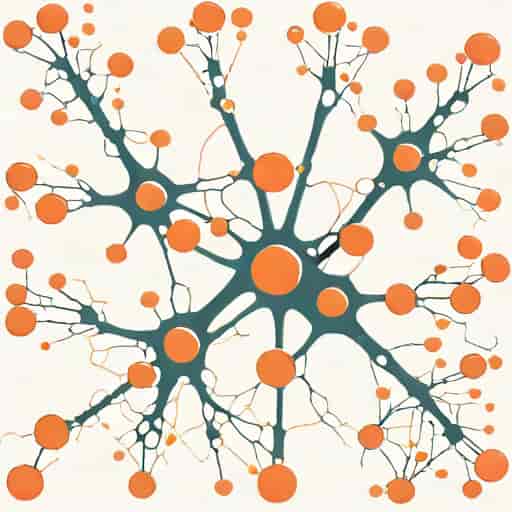
The human nervous system depends not only on neurons but also on a wide network of glial cells that keep those neurons healthy, nourished, and functioning properly. Although neurons often receive most of the attention, they cannot survive on their own. They require constant metabolic support, structural reinforcement, and chemical balance. Understanding which glial cells support neurons metabolically helps explain how the brain maintains energy, regulates neurotransmitters, and protects itself from damage. These supporting cells ensure that neurons can send signals efficiently and respond to changing demands throughout life.
The Essential Role of Glial Cells in Neuronal Metabolism
Neurons are highly active cells that consume large amounts of energy. To sustain this activity, they rely on nearby glial cells that provide fuel, clear waste, and regulate the environment around them. Several types of glial cells participate in this metabolic support, each with a unique role. Their cooperation creates a stable and efficient system that keeps neural circuits functioning smoothly.
Why Neurons Need Metabolic Support
Neurons communicate through electrical and chemical signals. These processes require energy at every step, from maintaining ion gradients to recycling neurotransmitters. However, neurons have limited internal energy reserves, making them dependent on glial cells for constant metabolic assistance. Without this help, neuronal activity would slow, signaling would fail, and brain function would decline.
- Glial cells supply energy substrates like lactate and glucose.
- They control the chemical environment around neurons.
- They remove harmful byproducts and maintain homeostasis.
- They regulate neurotransmitter levels to protect neural signaling.
These supportive roles highlight why glial cells are essential to understanding brain health and neurological function.
Astrocytes The Primary Metabolic Support Cells
Among all glial cells, astrocytes are the most important for metabolic support. They form a bridge between blood vessels and neurons, ensuring that nutrients from the bloodstream reach neural tissues. Astrocytes help regulate energy distribution, maintain ion balance, and recycle neurotransmitters. Their influence extends across nearly every region of the brain.
Energy Supply Through the Astrocyte-Neuron Lactate Shuttle
One of the most significant contributions of astrocytes is their ability to convert glucose into lactate, which neurons use as an efficient energy source. This process, known as the astrocyte-neuron lactate shuttle, ensures that neurons receive a steady supply of fuel even when metabolic demand is high.
Astrocytes also store glycogen, a reserve form of glucose. During periods of intense neural activity, they can break down glycogen and provide additional lactate to nearby neurons, supporting rapid signal transmission.
Regulation of Neurotransmitters and Ion Balance
Neurons release neurotransmitters such as glutamate during communication. Excess glutamate can become toxic if not managed properly. Astrocytes absorb this excess neurotransmitter, convert it into safer forms, and help recycle it back to neurons. This process is both metabolic and protective.
Astrocytes also maintain ion balance, especially potassium levels, which directly affect neuronal firing. By regulating the chemical environment, astrocytes protect neurons from overstimulation and help maintain stable networks.
Oligodendrocytes and Schwann Cells Supporting Neuronal Efficiency
While astrocytes handle most metabolic support, oligodendrocytes in the central nervous system and Schwann cells in the peripheral nervous system also contribute. Their primary function is forming myelin, which insulates axons and speeds electrical signals. However, their influence extends into metabolic support as well.
Myelin and Energy Efficiency
Myelinated axons require far less energy to propagate signals. By reducing the metabolic cost of neuronal communication, oligodendrocytes and Schwann cells indirectly support neuronal metabolism. Efficient signaling means that neurons conserve energy, leaving more resources available for other vital processes.
Direct Metabolic Support
Recent research shows that oligodendrocytes can transfer energy-rich metabolites directly to axons. This metabolic coupling helps maintain long-distance signaling in the brain and prevents axonal degeneration. Although this support is not as extensive as that provided by astrocytes, it plays a crucial role in sustaining fast-firing neuronal networks.
Microglia Indirect Metabolic Support Through Maintenance
Microglia act as the brain’s immune cells, constantly scanning for threats and clearing debris. While their primary role is immune defense, they also contribute to neuronal metabolism in indirect but important ways.
Clearing Waste and Damaged Cells
Microglia remove harmful byproducts that can interfere with neuronal activity. By clearing dead cells, misfolded proteins, and metabolic waste, they help maintain a healthy environment where neurons can function without disruption.
Regulating Inflammation
Inflammation affects metabolic processes throughout the brain. Microglia help control inflammatory responses, preventing chronic inflammation that could impair neuron function. Balanced immune activity supports overall metabolic stability in neural tissues.
Ependymal Cells and Metabolic Balance
Ependymal cells line the ventricles of the brain and play a subtle but meaningful role in metabolic support. They help regulate cerebrospinal fluid (CSF), which transports nutrients, removes waste, and maintains pressure balance within the nervous system.
CSF as a Medium for Nutrient Exchange
The flow of cerebrospinal fluid allows nutrients, hormones, and signaling molecules to circulate throughout the brain. Ependymal cells maintain this flow, indirectly supporting the metabolic needs of neurons and glial cells.
How Glial Metabolic Support Affects Brain Health
The combined efforts of astrocytes, oligodendrocytes, Schwann cells, microglia, and ependymal cells keep neurons functioning at peak performance. Without this support, neurons become vulnerable to stress, energy shortages, or toxic buildup. Many neurological conditions arise when glial support breaks down or becomes imbalanced.
Conditions Linked to Glial Dysfunction
- Neurodegenerative diseases such as Alzheimer’s and Parkinson’s
- Demyelinating disorders including multiple sclerosis
- Metabolic disorders affecting energy use in the brain
- Glutamate toxicity related to poor neurotransmitter regulation
Understanding glial cell function helps researchers develop targeted therapies aimed at restoring metabolic support and protecting neuronal health.
The Cooperative Nature of Neuronal Support
No single glial cell type works in isolation. Metabolic support is a team effort. Astrocytes distribute energy, oligodendrocytes reduce energy demand, microglia maintain a clean environment, and ependymal cells regulate fluid systems. This cooperative network ensures that neurons can process information continuously, adapt to changing conditions, and recover from stress.
The Importance of Studying Glial-Neuronal Interactions
For many years, glial cells were seen as passive support structures, but modern research shows that they actively shape neural function. Their metabolic roles are fundamental to brain activity, making them key subjects in neuroscience, medicine, and cognitive research.
Understanding which glial cells support neurons metabolically reveals just how interconnected the nervous system truly is. Astrocytes provide the majority of metabolic fuel, oligodendrocytes and Schwann cells improve energy efficiency, microglia maintain a healthy environment, and ependymal cells regulate fluid and nutrient flow. Together, these cells create the conditions that allow neurons to thrive. Their collective efforts highlight the remarkable complexity of the brain and underscore the importance of glial-neuronal cooperation in maintaining lifelong neurological health.