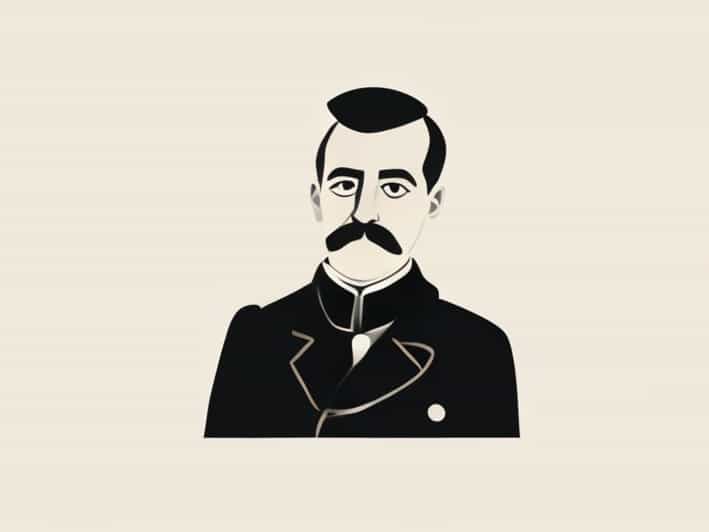
Georges Clemenceau, the French Prime Minister during the final years of World War I, is often remembered for his fierce stance against Germany during the post-war negotiations. His determination to punish Germany was rooted in both personal conviction and national interest, as France had suffered immensely during the war. Millions of French citizens had died, cities had been destroyed, and the country’s economy was devastated. Clemenceau’s approach at the Paris Peace Conference in 1919 reflected a desire to ensure that Germany could not threaten France again, to seek justice for the immense suffering, and to secure France’s future security and stability.
Background of Clemenceau’s Leadership
Georges Clemenceau, known as The Tiger for his combative and determined personality, became Prime Minister of France in 1917, at a time when the country was exhausted by years of brutal warfare. Clemenceau had previously been involved in French politics, advocating for strong republican values and often taking a hardline stance on national defense. By the time he assumed leadership during World War I, he was determined to win the war and to ensure that France would be protected from future German aggression.
France’s Devastation During World War I
World War I had a profound impact on France. Large areas of northeastern France, including industrial and agricultural regions, were left in ruins. Cities such as Reims and Verdun experienced severe destruction, and millions of French soldiers and civilians lost their lives. The psychological and economic toll of the war created a strong demand for security and retribution. Clemenceau, understanding the depth of national suffering, became a vocal advocate for holding Germany accountable and preventing any future threats.
Clemenceau’s Philosophy Towards Germany
Clemenceau’s approach to Germany was guided by both a sense of justice and a pragmatic desire to safeguard France. He believed that Germany had caused immense suffering and that it was crucial to impose measures that would prevent the country from repeating such aggression.
Desire for Security
One of Clemenceau’s main goals was to ensure that France would not be vulnerable to another German attack. This meant weakening Germany militarily, economically, and territorially. Clemenceau advocated for strict limitations on the German army and the occupation of strategic regions such as the Rhineland to create a buffer zone against future invasions.
Demand for Reparations
Reparations were another central aspect of Clemenceau’s plans. He believed that Germany should compensate France for the immense destruction of its infrastructure, cities, and economy. These reparations were intended not only as punishment but also as a means to help France rebuild after the devastation of the war. Clemenceau argued that without proper reparations, Germany could quickly regain strength and pose a threat once again.
The Paris Peace Conference and Clemenceau’s Role
The Paris Peace Conference of 1919 brought together the Allied powers to negotiate the terms of peace following World War I. Clemenceau played a leading role in representing France, alongside other key figures such as Woodrow Wilson of the United States and David Lloyd George of the United Kingdom. While Wilson advocated for a more lenient and idealistic approach, Clemenceau pushed for strict measures against Germany.
Key Objectives of Clemenceau
-
Security MeasuresClemenceau insisted on the demilitarization of Germany’s western regions, particularly the Rhineland, to protect France from future attacks.
-
Territorial AdjustmentsHe supported the return of Alsace-Lorraine to France, which had been lost to Germany in the Franco-Prussian War of 1870-1871.
-
Economic ReparationsClemenceau demanded financial compensation to help rebuild French cities, infrastructure, and industries destroyed by the war.
-
Military RestrictionsHe sought to drastically reduce the size of the German army and prevent the country from rearming in the future.
Clemenceau’s Perspective on Justice and Retribution
Beyond pragmatic concerns for security, Clemenceau’s desire to punish Germany was also influenced by a strong sense of moral justice. He believed that Germany had violated international norms and committed immense atrocities during the war. Punishing Germany was not only a matter of protecting France but also a way to hold the aggressor accountable for the suffering it had caused. Clemenceau often expressed the sentiment that Germany needed to understand the consequences of its actions in order to prevent future conflict.
Balancing Harshness and Diplomacy
While Clemenceau was determined to punish Germany, he also had to negotiate with other Allied leaders who favored more moderate approaches. Woodrow Wilson, for example, promoted the idea of the League of Nations and a more lenient peace to prevent future resentment. Clemenceau, however, prioritized French security and believed that leniency could endanger France. This tension between harsh punishment and diplomatic compromise defined much of the negotiation process at the conference.
Impact of Clemenceau’s Policies
The Treaty of Versailles, signed in 1919, reflected many of Clemenceau’s goals, including territorial gains, reparations, and military restrictions for Germany. Alsace-Lorraine was returned to France, Germany’s army was limited in size, and significant financial reparations were imposed. The treaty also included provisions for the occupation of the Rhineland as a buffer zone. Clemenceau viewed these measures as necessary to protect France and to ensure that Germany could not repeat its aggressive behavior.
Criticism and Consequences
Although Clemenceau achieved many of his objectives, his approach has been criticized by historians for being overly harsh. Some argue that the punitive measures contributed to economic hardship and political instability in Germany, which later facilitated the rise of extremist movements, including the Nazi Party. Nonetheless, Clemenceau’s policies were largely driven by the immediate goal of securing France and addressing the deep wounds caused by World War I.
Legacy of Clemenceau’s Approach
Clemenceau’s insistence on punishing Germany reflects the broader post-war sentiment in France at the time. Millions of French citizens had experienced unimaginable suffering, and leaders like Clemenceau were determined to prevent history from repeating itself. His leadership at the Paris Peace Conference and the resulting terms of the Treaty of Versailles left a lasting mark on international relations and shaped the geopolitical landscape of Europe in the decades that followed.
Lessons from Clemenceau’s Policies
- Post-war security concerns often drive leaders to adopt strict measures against former aggressors.
- Balancing justice, retribution, and diplomacy is a complex and delicate process in international negotiations.
- Punitive measures, while addressing immediate security needs, can have long-term political and economic consequences.
Georges Clemenceau wanted to punish Germany for several interrelated reasons to ensure France’s security, to seek justice for the immense suffering caused by World War I, and to prevent Germany from regaining power and threatening Europe again. His experiences, the devastation of French territory, and the loss of millions of lives informed his uncompromising approach at the Paris Peace Conference. While his policies were controversial and had long-term consequences, Clemenceau’s determination to protect France and hold Germany accountable was central to his political philosophy and legacy. Understanding why Clemenceau took such a hard stance helps explain the post-war dynamics in Europe and the creation of the Treaty of Versailles, which attempted to reshape the balance of power and secure lasting peace, even if the results were imperfect.