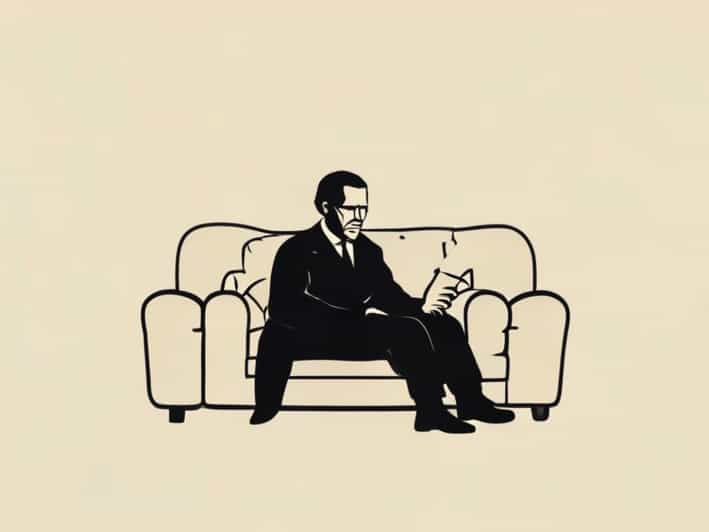
On the Couch Writers Analyze Sigmund Freud is a fascinating anthology that explores the life, theories, and influence of Sigmund Freud through the perspectives of various contemporary writers. Freud, often called the father of psychoanalysis, revolutionized the understanding of the human mind, dreams, and unconscious desires. This collection of essays and analyses provides readers with a multidimensional view of Freud’s work, examining both the scientific contributions and the cultural impact of his theories. By presenting insights from multiple writers, the book highlights the enduring relevance of Freud’s ideas and invites readers to reflect on how his work continues to shape literature, psychology, and social thought.
Overview of On the Couch
The book is structured as a series of essays written by different authors, each analyzing aspects of Freud’s life, his theoretical contributions, or the controversies surrounding his work. Topics range from the exploration of Freud’s ideas about the unconscious and dream analysis to critiques of his methods and influence on modern psychology. The variety of voices in the book allows for a rich discussion that is both intellectual and accessible. Readers gain not only an understanding of Freud’s theories but also a sense of how these ideas have been interpreted, challenged, and applied across different fields.
Purpose of the Anthology
The purpose of On the Couch is to examine Freud from multiple angles, providing a comprehensive picture of his influence. The writers included in the collection analyze Freud’s contributions to psychology, literature, philosophy, and culture. By combining personal reflection with scholarly analysis, the anthology presents Freud not just as a historical figure but as a continuing presence in contemporary thought. It encourages readers to think critically about his theories while appreciating their complexity and enduring significance.
Freud’s Key Theories Analyzed
Several fundamental concepts introduced by Freud are central to the discussions in the anthology. Writers analyze these theories in the context of both historical developments and contemporary perspectives, exploring their applications and limitations.
The Unconscious Mind
Freud’s concept of the unconscious mind is one of his most influential ideas. He proposed that much of human behavior is driven by desires and fears that reside below conscious awareness. In On the Couch, writers examine how the unconscious shapes thought, emotion, and behavior, using examples from literature, therapy, and everyday life. They also discuss the implications of unconscious processes for understanding creativity, memory, and decision-making.
Dream Analysis
Dream analysis is another core area of Freud’s work that receives attention in the anthology. Freud believed that dreams provide a window into the unconscious mind, revealing hidden desires and conflicts. Contributors to the book discuss the techniques Freud developed for interpreting dreams and explore how his ideas influenced literature, art, and modern psychology. They also consider criticisms of dream analysis, acknowledging both its insights and its limitations.
Psychosexual Development
The theory of psychosexual development, which outlines stages of childhood development and the role of early experiences in shaping personality, is also explored. Writers analyze the implications of Freud’s ideas about the id, ego, and superego, and how conflicts in early stages might influence adult behavior. While controversial, this theory continues to be a focal point for discussions about human development, parenting, and education.
Critiques and Controversies
On the Couch does not shy away from discussing the controversies surrounding Freud’s work. Many writers explore criticisms of his methods, the lack of empirical evidence for some of his theories, and the gender biases embedded in his views. The anthology presents a balanced perspective, acknowledging Freud’s groundbreaking contributions while also critically examining the aspects of his work that have been challenged or revised over time.
Scientific Criticism
Some essays focus on the scientific limitations of Freud’s theories. While his work laid the foundation for psychoanalysis, critics argue that certain ideas, such as Oedipus complex and dream interpretation, lack empirical support. Contributors explore how Freud’s theories have been revised, expanded, or replaced by contemporary research in psychology and neuroscience, emphasizing the importance of understanding historical context when evaluating his legacy.
Cultural and Literary Critiques
Other writers analyze Freud’s influence on literature and culture. His concepts have shaped narrative techniques, character development, and thematic explorations in novels, films, and other media. Contributors discuss how writers have used Freud’s ideas to explore identity, desire, and human motivation, demonstrating the enduring impact of psychoanalytic thought beyond clinical settings.
Freud as a Cultural Icon
Beyond his scientific contributions, Freud is considered a cultural icon. On the Couch explores how his persona, writings, and public image have influenced popular understanding of psychology and human behavior. The anthology examines Freud’s role in shaping cultural conversations about sexuality, morality, and the self. Writers highlight the duality of Freud as both a pioneering thinker and a figure whose ideas have been mythologized in popular culture.
Influence on Modern Thought
Freud’s impact extends far beyond psychoanalysis. In literature, philosophy, and social theory, his ideas continue to provoke discussion and inspire creativity. Essays in the anthology explore how his theories have been integrated into critical theory, feminist thought, and contemporary psychological practice. By analyzing Freud from multiple perspectives, the book illustrates the ways in which his ideas remain relevant and influential in modern intellectual discourse.
Writing Style and Approach
The anthology’s style combines accessible writing with scholarly insight. Each writer brings a unique voice, balancing personal reflection, historical analysis, and critical evaluation. This approach makes complex psychoanalytic concepts understandable to a general audience while providing depth for readers with a background in psychology or literature. The varied styles also highlight the multiplicity of interpretations that Freud’s work allows, reflecting his complex and multifaceted legacy.
Personal Engagement
Many essays incorporate personal engagement with Freud’s theories. Writers recount experiences of reading Freud, applying psychoanalytic ideas to their own work, or observing human behavior through a Freudian lens. These personal narratives make the theoretical discussions more relatable, allowing readers to connect intellectual concepts with real-life observations and experiences.
Key Takeaways from On the Couch
- Freud’s theories of the unconscious, dream analysis, and psychosexual development remain central to understanding human psychology.
- While some aspects of Freud’s work are controversial, his influence on literature, culture, and social thought is undeniable.
- Analyzing Freud from multiple perspectives provides a balanced view, acknowledging both his contributions and limitations.
- Personal narrative and cultural analysis enhance understanding of Freud’s work and its relevance in contemporary society.
On the Couch Writers Analyze Sigmund Freud offers a rich, multidimensional examination of one of the most influential figures in psychology. By combining historical context, scientific analysis, literary critique, and personal reflection, the anthology presents a nuanced understanding of Freud’s work and legacy. Readers are invited to engage with Freud’s ideas critically, considering both their transformative impact on understanding human behavior and the controversies they generate. The book demonstrates that Freud’s influence is not confined to the past but continues to shape contemporary thought, literature, and cultural discourse. By exploring Freud through diverse perspectives, On the Couch illuminates the ongoing relevance of psychoanalysis and encourages thoughtful reflection on the complexities of the human mind.