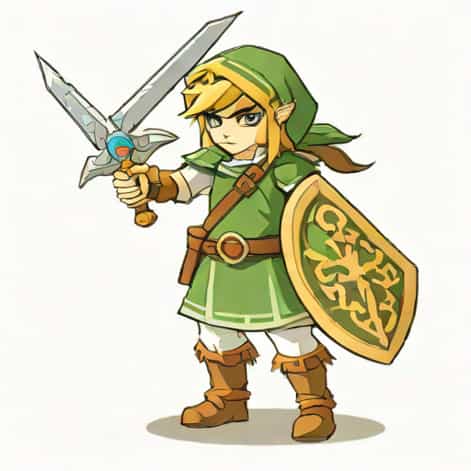
The Legend of Zelda Twilight Princess HD for the Wii U brought one of Nintendo’s most beloved adventures back to life in high definition. Originally released for the GameCube and Wii, this remastered version provided fans with a refined visual experience, improved controls, and additional gameplay enhancements that made exploring Hyrule feel more immersive than ever before. For long-time fans and newcomers alike, the Wii U edition of Twilight Princess offered an opportunity to rediscover one of the most mature and atmospheric Zelda titles in the franchise.
Background and Development of Twilight Princess
Twilight Princess was first released in 2006 and quickly gained praise for its darker tone and realistic art style. After nearly a decade, Nintendo decided to revisit the game for the Wii U, updating its graphics and improving its mechanics for a modern audience. The Wii U version, officially titledThe Legend of Zelda Twilight Princess HD, was developed by Tantalus Media under Nintendo’s supervision. It was designed to take advantage of the Wii U’s capabilities while preserving the original game’s spirit.
The remaster was not just about visuals-it was also about optimizing gameplay. It addressed minor frustrations from the original releases, streamlined some of the controls, and introduced quality-of-life improvements that made the experience smoother without altering the core adventure.
Enhanced Visuals and Art Direction
One of the most noticeable differences inZelda Twilight Princess HDon Wii U is the improved graphical presentation. The developers reworked the textures, lighting, and environmental effects to make the world of Hyrule more vivid and detailed. While it wasn’t a full remake, the HD upgrade significantly sharpened the look of characters, landscapes, and dungeons.
The twilight world itself-an eerie, shadowy realm filled with strange creatures and surreal lighting-benefited greatly from these improvements. Shadows appeared softer, and color contrasts were enhanced, creating a more atmospheric and haunting tone that suited the game’s story. Link’s wolf form, in particular, looked much more expressive, making exploration in the Twilight Realm more visually appealing.
Character Models and Animation
The Wii U version refined character models, giving them smoother animations and more detailed facial expressions. This was especially noticeable during cutscenes, where the emotional storytelling stood out more clearly. Midna, one of the most beloved characters in the series, looked sharper and more expressive, bringing her mischievous personality to life in greater detail.
Improved Controls and Interface
Twilight Princess HD made use of the Wii U GamePad in clever ways. Players could view maps, inventory, and items directly on the GamePad’s touchscreen, allowing for quicker access and less interruption during gameplay. This eliminated the need to constantly pause the game to switch weapons or check objectives.
Additionally, players could choose between traditional button controls and motion controls similar to the Wii version. This flexibility made the game more accessible for all kinds of players, whether they preferred the precision of the GamePad or the motion-based sword swings of the Wii Remote setup.
GamePad Features
- Real-time inventory management without pausing the game.
- Touchscreen map display for easier navigation.
- Off-TV play, allowing players to enjoy the game on the GamePad screen alone.
These improvements made the Wii U version one of the most user-friendly versions of Twilight Princess to date.
Gameplay and Exploration
The core gameplay of Twilight Princess remained faithful to the original. Players guide Link through a vast open world filled with puzzles, dungeons, and enemies. Early in the story, Link transforms into a wolf-a key gameplay mechanic that allows him to sense hidden paths, communicate with animals, and navigate through the Twilight Realm. This transformation added a layer of variety that set Twilight Princess apart from other Zelda titles.
The dungeons are among the best in the series, combining clever puzzles with challenging combat. Iconic items such as the Clawshot, Spinner, and Dominion Rod return, each offering unique ways to interact with the environment. These tools make exploration dynamic and reward curiosity at every turn.
Side Quests and Collectibles
The Wii U version kept all the side quests from the original game, including bug collecting, Poe Soul hunting, and heart piece gathering. However, it also introduced new content in the form of the Hero Mode and Amiibo compatibility, which added fresh challenges for seasoned players.
- Hero ModeEnemies deal double damage, and no hearts drop, increasing difficulty.
- Wolf Link AmiiboUnlocks the exclusive Cave of Shadows, a new combat challenge area.
- Other Zelda AmiiboProvide gameplay bonuses like restoring arrows or hearts.
Story and Themes
The story of Twilight Princess is one of courage, transformation, and light versus darkness. Link’s quest begins in the peaceful village of Ordon, but his world is soon consumed by the mysterious Twilight. With the help of Midna, a mischievous imp with her own hidden motives, Link fights to restore light to Hyrule and defeat the evil Zant and the returning Ganon.
Compared to other entries in the series, Twilight Princess has a darker and more emotional tone. Themes of sacrifice, redemption, and friendship run deep throughout the narrative. The relationship between Link and Midna stands out as one of the most compelling partnerships in the franchise, evolving from reluctant allies to true friends by the end of the journey.
Memorable Moments
The Wii U version preserves all of the game’s iconic moments the epic horseback battles, the haunting Twilight Realm sequences, and the climactic final duel against Ganon. Each scene benefits from the HD visuals, making them even more cinematic and emotionally powerful. The orchestral soundtrack, already a highlight in the original, sounds clearer and more immersive on the updated hardware.
Performance and Technical Improvements
The Wii U hardware allowed Twilight Princess HD to run at a stable 30 frames per second in 1080p resolution. Load times were shortened, textures were cleaned up, and environmental lighting was improved. While it didn’t completely overhaul the engine, it provided a smoother and more polished experience than either of the original versions.
Minor gameplay tweaks also improved pacing. For example, collecting Tears of Light-a task that was considered tedious in the original-was streamlined, making it less repetitive. These small but meaningful adjustments made the overall flow of the game much more enjoyable.
Legacy and Reception
Upon release,The Legend of Zelda Twilight Princess HDreceived positive reviews from both critics and fans. Many praised the visual enhancements, smoother controls, and thoughtful updates that respected the original while refining it for modern players. The game served as both a nostalgic return for longtime fans and an accessible entry point for newcomers to the series.
More importantly, it helped keep the Zelda franchise alive on the Wii U during a time when the console’s library was relatively small. The remaster reminded players of the series’ ability to blend action, storytelling, and puzzle-solving into a unified and unforgettable adventure.
In summary,Zelda Twilight Princess HDon Wii U remains one of the best ways to experience this classic adventure. The combination of improved visuals, enhanced gameplay features, and thoughtful design updates makes it stand out as a definitive edition. The haunting atmosphere, complex characters, and epic story continue to captivate players years after its release.
For anyone who missed the original or simply wants to revisit Hyrule in stunning HD, the Wii U version of Twilight Princess delivers an unforgettable journey. It’s a testament to Nintendo’s ability to breathe new life into its most iconic worlds while preserving the magic that made them legendary in the first place.